"My Dog Had Digestive Problems for Two Years. I Switched His Food Four Times. Spent $340 on Probiotics. Tried Everything the Facebook Groups Told Me. None of It Worked. Because None of It Was the Real Problem."
If you've been dealing with your dog's soft stool, gas, or unpredictable digestion for more than a few weeks, and you've already tried switching foods, I need you to read this.
Not because I have a degree. I don't.
Because I spent two years doing exactly what you're doing. And I finally figured out why none of it was working.
My dog Cooper is a 4-year-old golden retriever. He's been my whole world since I got him as a puppy.
When he was about 18 months old, his stool started getting soft. Not every day. But often enough that I noticed.
I did what any responsible dog owner does. I posted in the Facebook group.
Within an hour I had 47 comments. "Switch to salmon formula." "Try grain-free." "He needs a limited ingredient diet." "Have you tried pumpkin?" "Raw food changed my dog's life." "It's the chicken. Chicken is inflammatory."
I tried all of it. Every single suggestion.
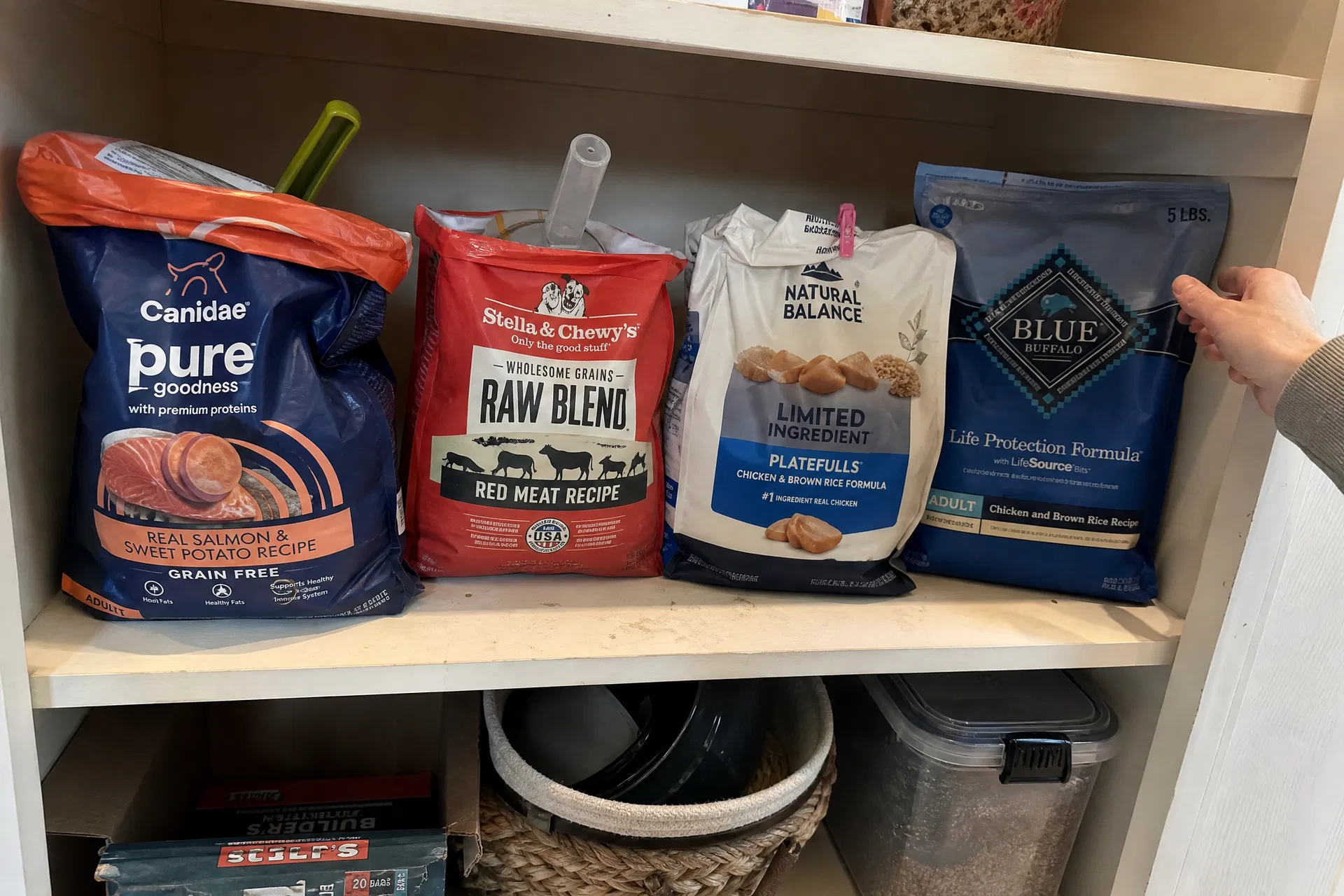
Over the next eight months, I switched Cooper's food four times. I spent $274 on different bags. I added pumpkin. I bought three different probiotic supplements. I tried a raw food subscription for six weeks.
His stool was still soft.
At some point I just accepted it. I told myself some dogs just have sensitive stomachs. The vet said the same thing. "Some dogs are just like this. Keep him on the sensitive stomach formula."
I kept him on the sensitive stomach formula.
For another fourteen months.
- Four food switches: salmon, grain-free bison, limited ingredient, sensitive stomach formula. His gut kept failing because the food was never the problem.
- Pumpkin (canned and fresh): adds fiber, masks the symptom for a few days. Does nothing for what's actually causing the soft stool.
- Three different probiotics: can't colonize a gut that's been compromised. Like trying to plant seeds in concrete.
- Raw food subscription: better ingredients, same problem. Because the problem isn't the ingredients.
- Sensitive stomach formula (14 months): designed for dogs with "sensitive stomachs." Not designed for dogs whose gut lining has been compromised by parasites.
- The vet's advice: "some dogs are just like this." Turns out, they're not. They just haven't been tested for what's actually going on.
Then Cooper had a bad week. Really bad. He stopped eating for two days. His stomach was making sounds I'd never heard before. I took him to an emergency vet.
The bill was $1,900.
The diagnosis: Giardia and hookworms. Both active. Both had been there for a while.
The vet looked at me and said, "Has he had any digestive issues? Soft stool, gas, anything like that?"
I almost laughed.
"For two years," I said.
She nodded like she'd heard this before. "This is really common. The soft stool is usually the first sign. Most owners assume it's the food."
She explained what had been happening inside Cooper's gut for two years while I was switching his food.
And I want to tell you, because nobody told me.
Here's what's actually happening when your dog can't firm up
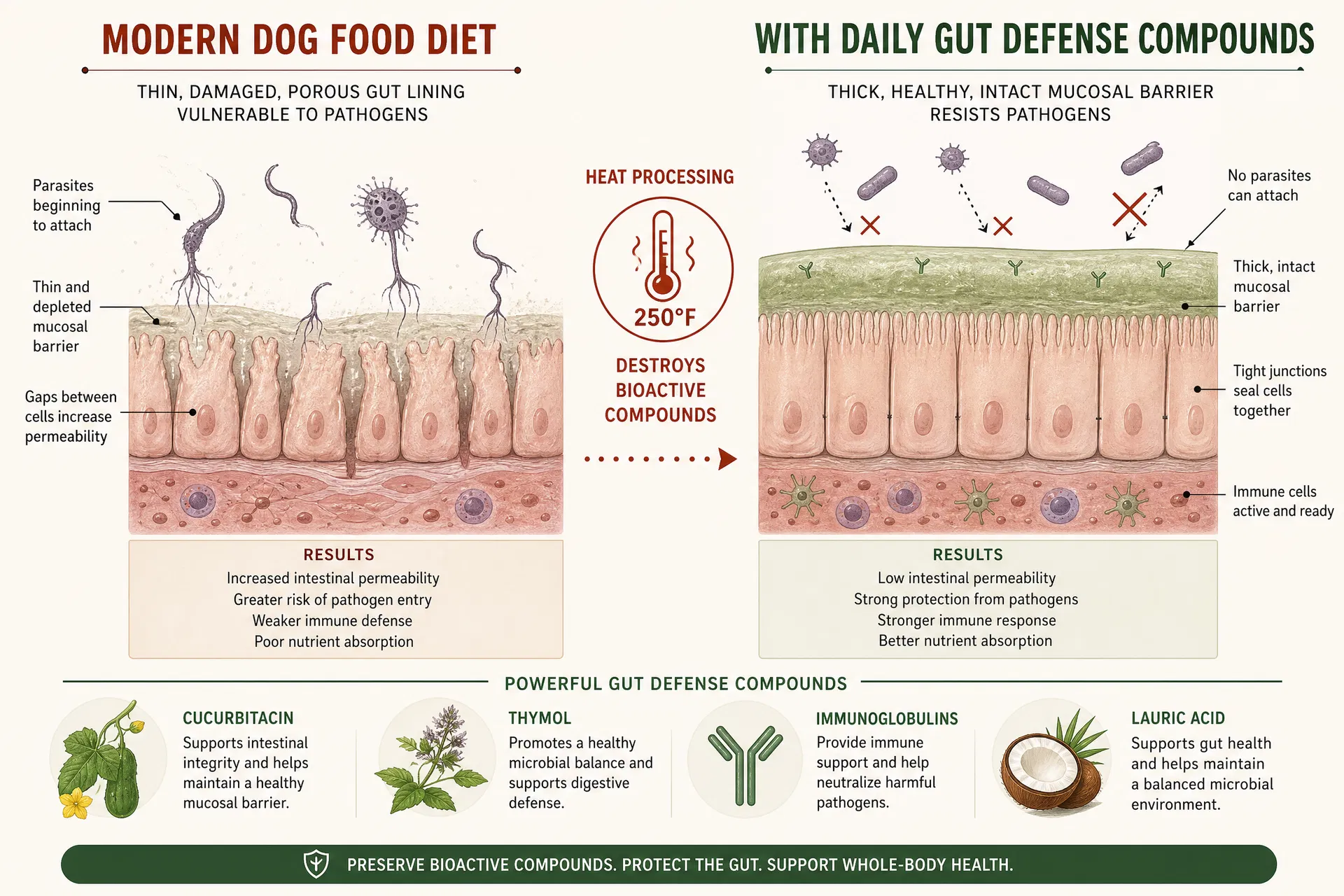
Your dog's gut has a lining. It's called the mucosal barrier. Think of it as a thick, protective wall between the inside of his intestines and the rest of his body.
When that wall is healthy, it does three things. It absorbs nutrients properly. It keeps pathogens out. And it produces firm, consistent stool.
When that wall is damaged — and parasites are one of the main things that damage it — none of those three things work right.
Here's what happens when the barrier breaks down:
- Parasites attach to the gut wall and begin feeding, directly damaging the mucosal lining
- The protective mucus layer thins. Pathogens pass through more easily.
- Tight junctions between cells loosen. The gut becomes "leaky."
- Nutrient absorption drops. Even premium food passes through without being used.
- Stool becomes soft, inconsistent, sometimes with mucus or unusual color
- The immune system fires constantly. Your dog seems "off," low energy, not himself.

No food change fixes this. Not salmon. Not grain-free. Not limited ingredient. Not raw.
Because the food isn't the problem. The barrier is the problem.
And a damaged barrier can't be rebuilt with a different protein source. It needs specific compounds that modern dog food, no matter how premium, simply doesn't contain.
Why switching food never works (and what the pet food industry doesn't tell you)
Here's the part that made me genuinely angry when I found out.
Commercial dog food, even the $90-a-bag premium stuff, is processed at temperatures above 250°F. That heat kills bacteria. It also destroys the bioactive compounds that your dog's gut lining needs to stay intact.
Compounds like cucurbitacin, thymol, and specific immunoglobulins. These are the things that flush parasites, rebuild the mucosal barrier, and keep the gut wall tight.
They don't survive the manufacturing process. So they're not in the bag. No matter what the bag says.
Why every "solution" you've tried hasn't worked
The ingredient list changes. The processing temperature doesn't. Every commercial dog food (raw-coated, freeze-dried, air-dried, grain-free, limited ingredient) goes through heat processing that destroys the gut-protective compounds. You're changing the label. You're not changing what's missing.
Pumpkin adds soluble fiber. Fiber can bulk up stool temporarily. But it does nothing for the parasites feeding on the gut lining. It does nothing for the damaged mucosal barrier. It's a band-aid on a wound that needs stitches. Two days of firmer stool, then right back to where you started.
Probiotics introduce beneficial bacteria. But beneficial bacteria can't colonize a gut that's been structurally compromised. It's like trying to grow a garden in soil that's been poisoned. You need to fix the soil first. Until the barrier is rebuilt and the parasites are gone, probiotics have nothing to hold onto.
Prescription diets are designed for dogs with food sensitivities. Cooper didn't have a food sensitivity. He had parasites and a damaged gut lining. The prescription diet was the right answer to the wrong question. And at $85 a bag, it was an expensive wrong answer.
Standard dewormers treat roundworms and tapeworms. They don't treat Giardia. They don't treat hookworms effectively at standard doses. And they do nothing for the gut lining damage that's already been done. Cooper had been dewormed twice in the two years his stool was soft. It didn't help because it wasn't treating what he had.
Better ingredients. More bioavailable nutrients. Still no cucurbitacin. Still no thymol. Still no immunoglobulins at therapeutic levels. Raw food is a better food. It's not a gut repair protocol. I spent six weeks on a $180/month subscription. Cooper's stool was still soft.
What I found at 11pm on a Tuesday
After the emergency vet, Cooper was treated for Giardia and hookworms. His stool firmed up for about three weeks.
Then it went soft again.
I went back to the vet. She said reinfection is common. She gave him another round of treatment.
Three weeks later. Soft again.
I was sitting in bed at 11pm, Cooper asleep next to me, googling "why does my dog keep getting parasites after treatment." I found a thread on a veterinary forum where a shelter vet was explaining something I'd never heard before.
She said the problem isn't just killing the parasites. It's that after they've been living in the gut, the lining is damaged. And a damaged lining is easier for new parasites to attach to. So the cycle repeats. Kill the parasites, gut lining stays weak, new parasites find easy purchase, soft stool comes back.
She said the only way to break the cycle is to rebuild the lining at the same time you're flushing the parasites. And that requires specific compounds that aren't in any food.
She mentioned four of them by name.
The four compounds that finally broke the cycle
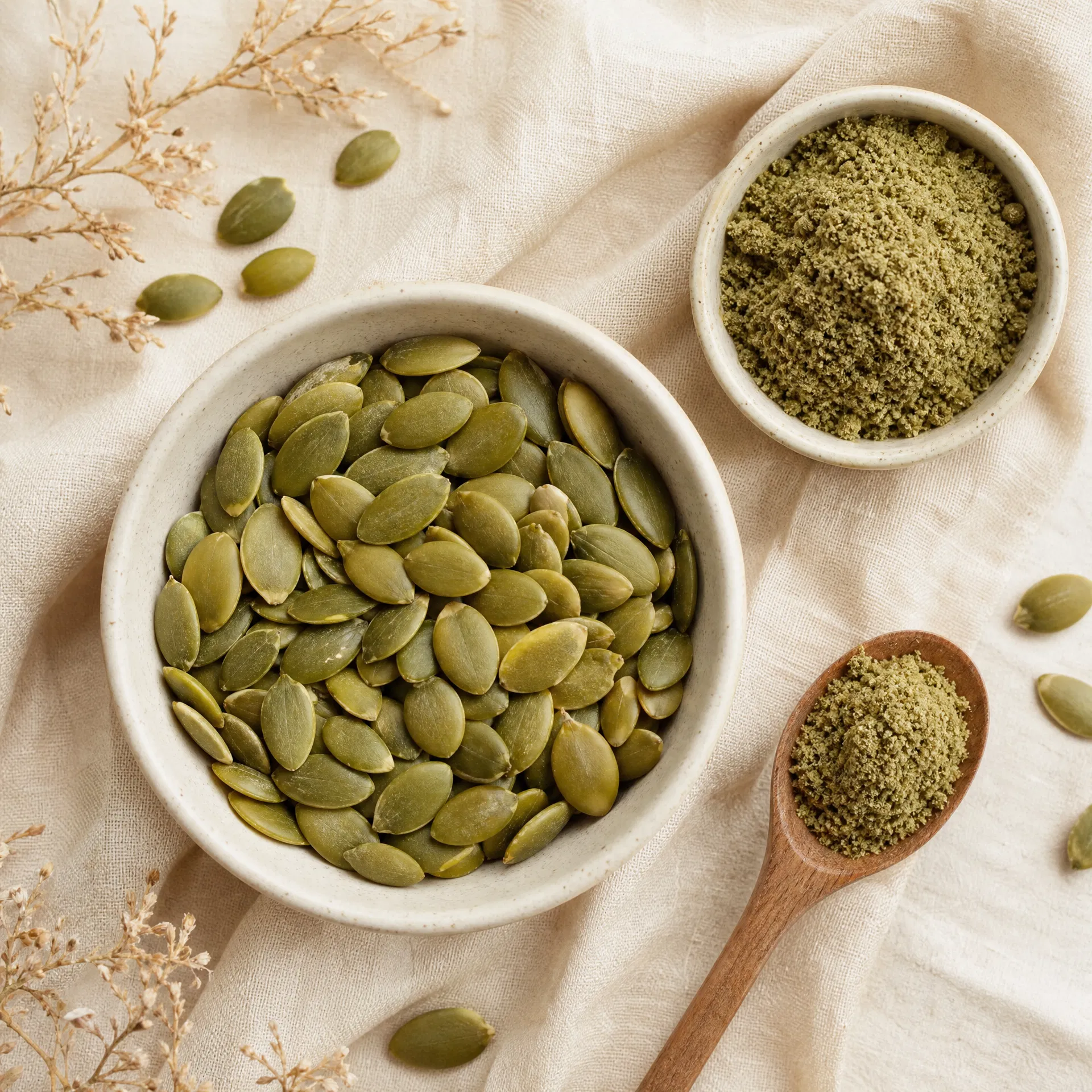
The cucurbitacin in pumpkin seed paralyzes intestinal worms so they can't grip the gut wall. They detach and pass out naturally. This is why plain pumpkin puree doesn't work: the active compound is in the seed, concentrated. The meal form delivers it at therapeutic levels.
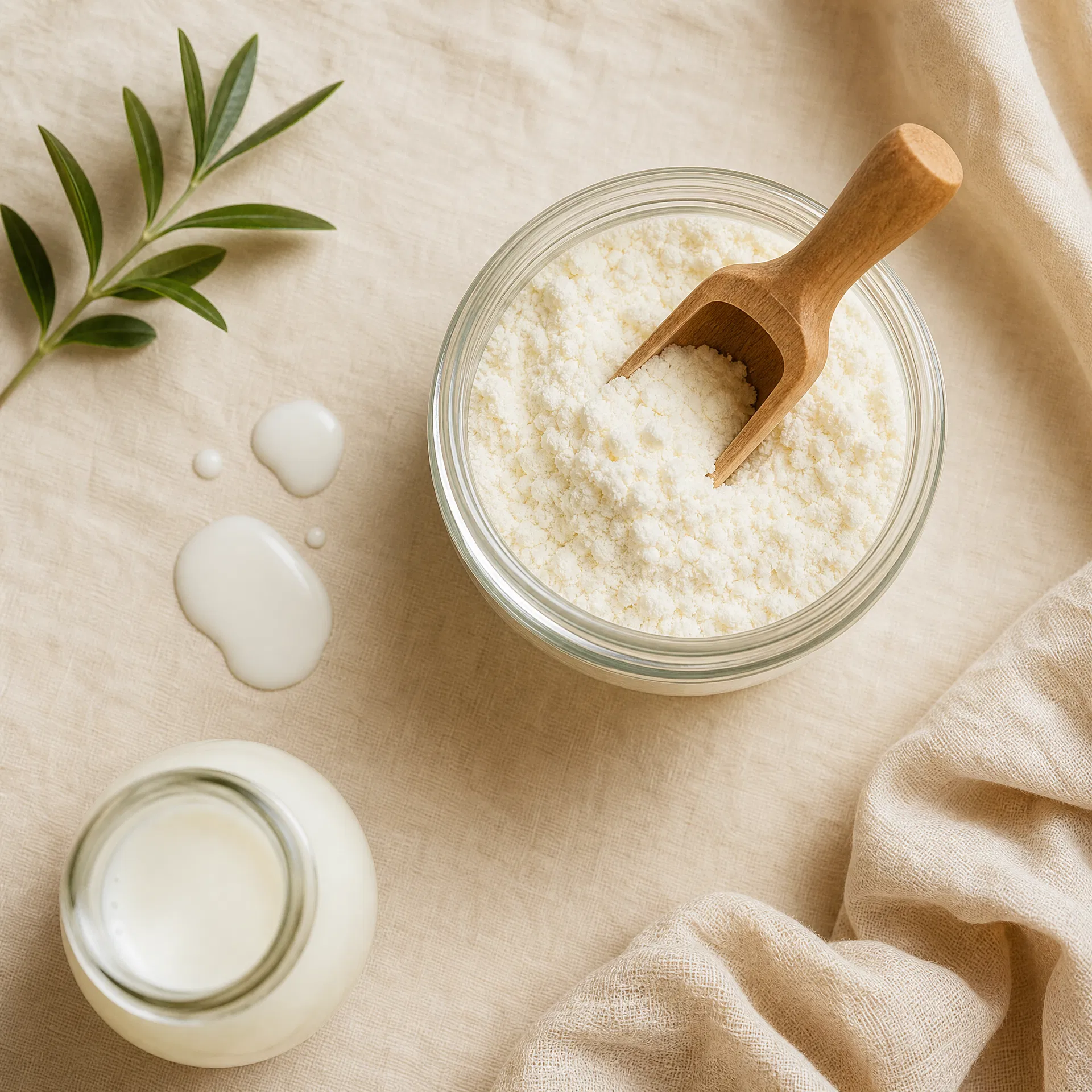
Goat milk contains natural immunoglobulins and lactoferrin that coat the gut lining with protective proteins. It directly neutralizes pathogens before they can attach and signals the immune system to stop the constant inflammatory response.
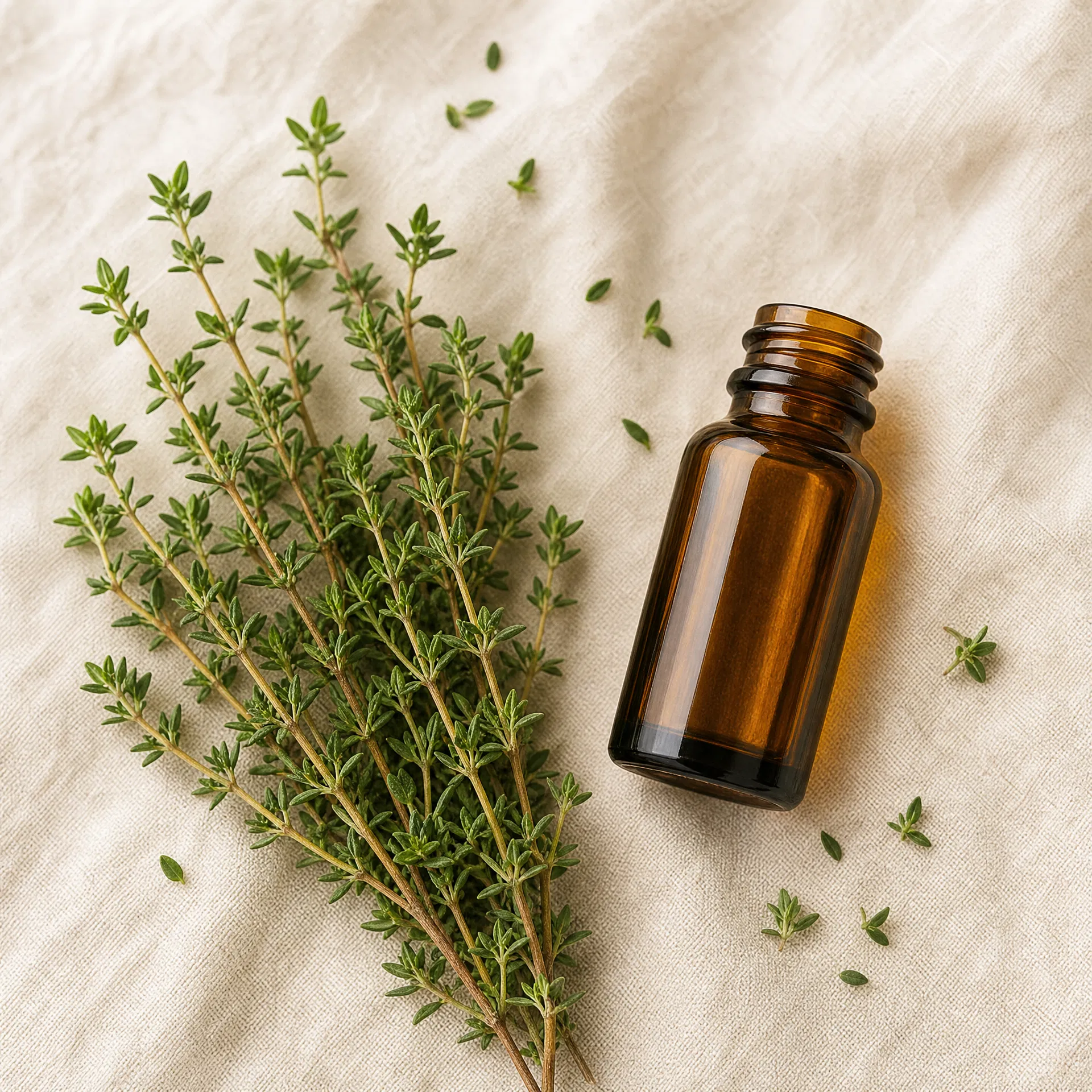
Thymol disrupts the membrane of Giardia and other single-cell parasites, destroying them at the cellular level. It also has antimicrobial properties that reduce the bacterial load in a compromised gut, creating a cleaner environment for the lining to rebuild.
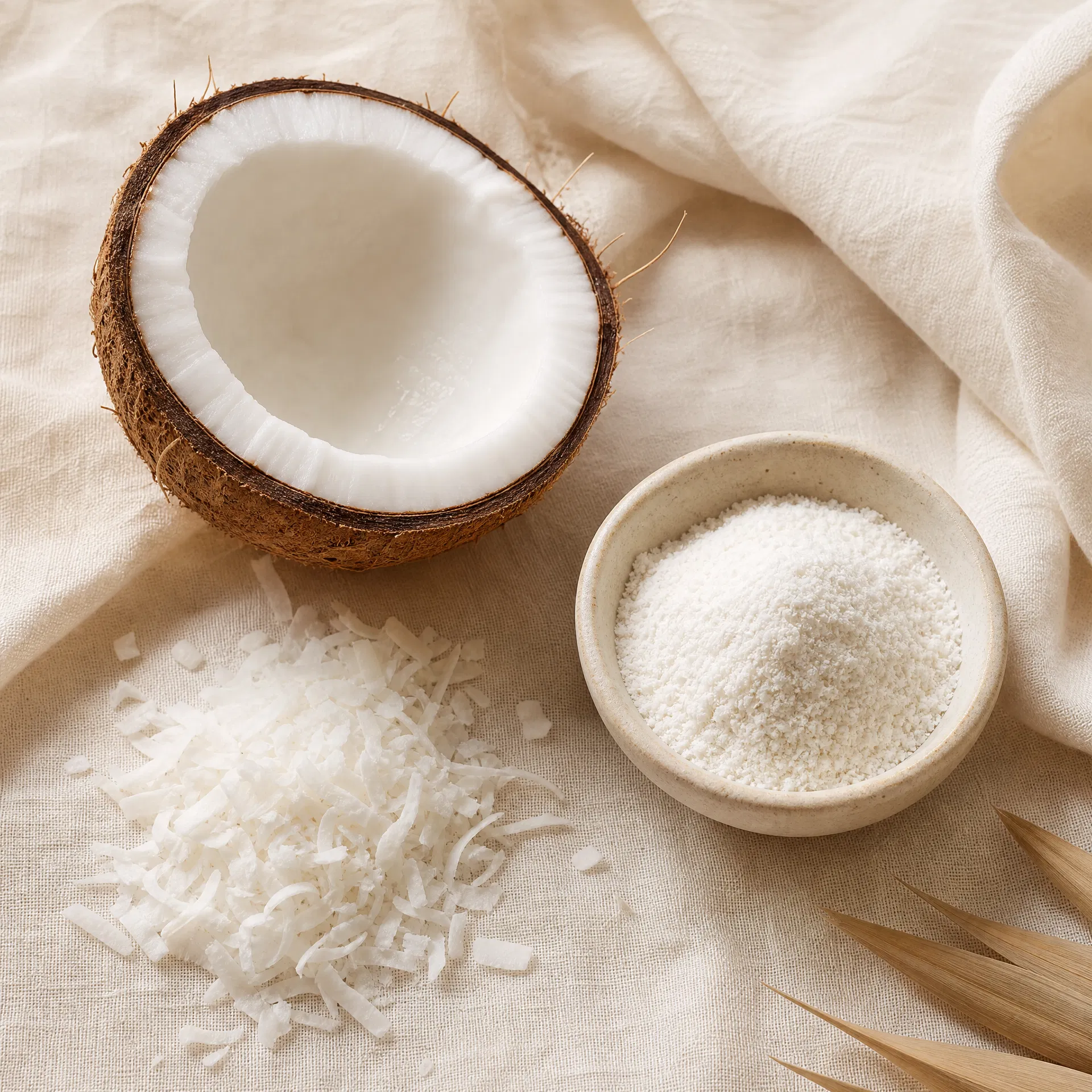
The lauric acid in coconut rebuilds the mucosal barrier at the cellular level. It fills in the gaps that parasites leave behind, making the lining thick again. So even if a parasite tries to reattach, it can't find purchase. This is what breaks the reinfection cycle.
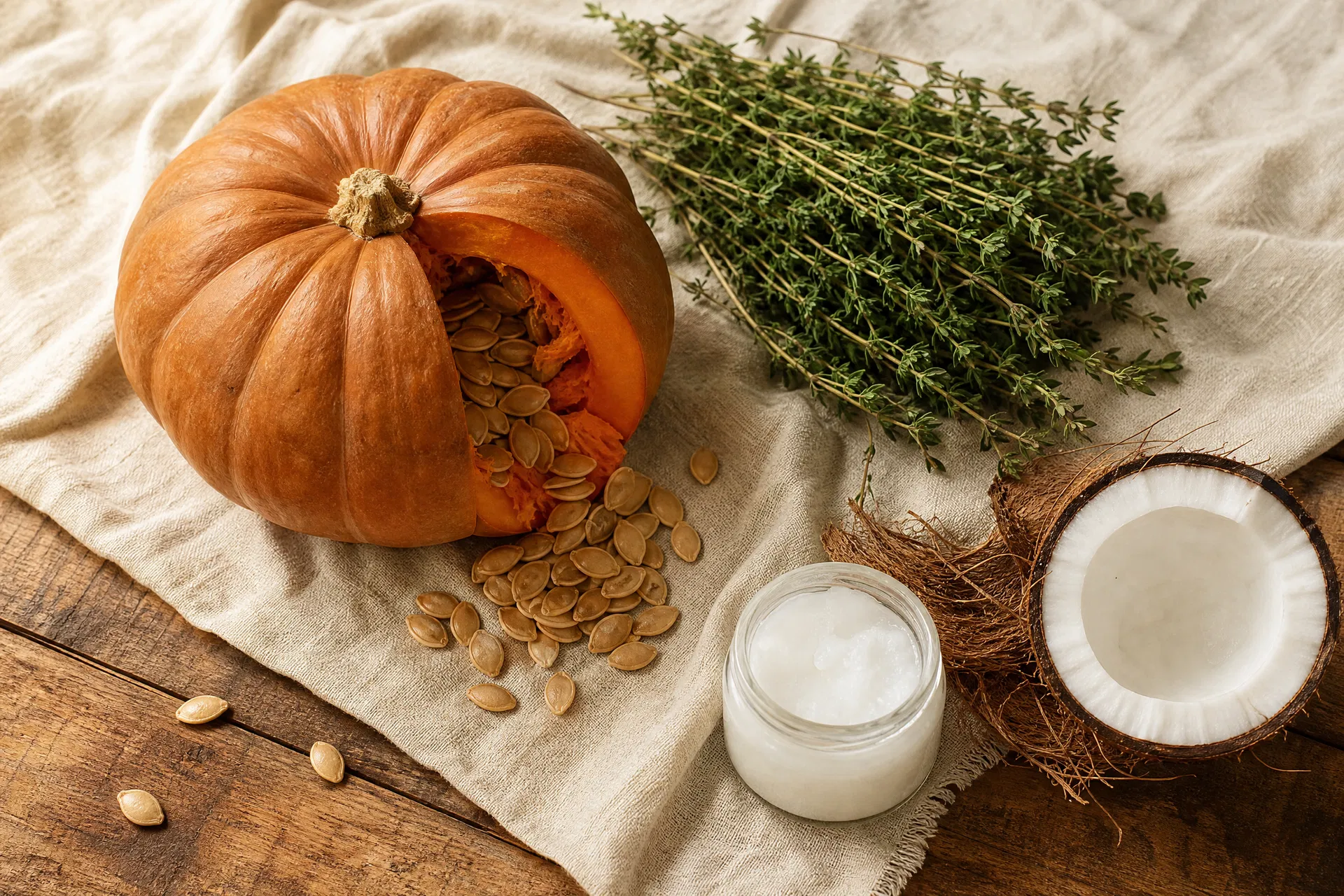
I spent about a week trying to find a supplement that had all four of these ingredients in one product. Most supplements had one or two. Some had none and just called themselves "gut support."
Then I found Clean Belly Daily Gut Defense.
Pumpkin meal. Goat milk powder. Thyme extract. Unsweetened coconut. All four. In the right concentrations. In a chew that Cooper would actually eat.
I ordered it. I didn't tell myself it would work. I'd been disappointed too many times.
What happened over the next 12 weeks
Cooper's stool was still soft. I noticed he seemed a little less gassy. I kept going.
I know that sounds like a weird thing to get emotional about. I texted my sister a photo. She was disgusted. I didn't care. I'd been waiting two years for that.
Not just firm. Consistent. Same texture, same color, same size. His appetite came back fully. He started finishing his bowl every meal. At week 6, I noticed something in his stool that I won't describe in detail, but the vet confirmed it was parasites passing out. The cucurbitacin was working.
More energy. Coat looked better. He started playing again the way he did as a puppy. I realized how long he'd been "off." I'd just gotten used to it. The vet said his gut lining was rebuilding and the immune system was no longer in constant overdrive.
No Giardia. No hookworms. No reinfection. For the first time in two years, Cooper's gut was clean. I've been using Clean Belly every day since. We're now at month 7. His stool has been firm every single day.
Other dog owners who figured this out
After I posted about Cooper in the Facebook group, I got flooded with messages. Turns out this is incredibly common. Here are three people who went through the same thing.

"I switched Milo's food SIX times over 18 months. Six. Spent probably $400 on different bags. Every time I'd see improvement for a week or two and then it would go soft again. My vet kept saying 'sensitive stomach.' I finally pushed for a full parasite panel and he had Giardia. Three weeks on Clean Belly and his stool was firm. I'm genuinely angry nobody told me to test for this sooner."

"My rescue Bella had soft stool from the day I got her. The rescue said it was stress. The vet said it was the transition. Then they said sensitive stomach. I tried grain-free, raw, limited ingredient, prescription diet. Nothing. Started Clean Belly in February. By week 4 she was having firm stool for the first time since I'd had her. She's also way more playful and her coat is completely different. I wish I'd found this at the beginning."

"Oscar had soft stool, gas, and occasional vomiting for almost a year. I'd done two rounds of standard dewormer, three food switches, and spent $280 on probiotics. Nothing worked consistently. A friend sent me Jennifer's post about Cooper. I ordered Clean Belly that night. Week 3: firm stool. Week 6: no more gas. Week 10: no more vomiting. He's a completely different dog. I tell every dog owner I know about this."
What I give Cooper every day
I've tried a lot of supplements over the past two years. I only use one now.
Clean Belly Daily Gut Defense is the only product I've found that has all four compounds: cucurbitacin, thymol, immunoglobulins, and lauric acid. All in one chew. Cooper takes one every morning with his breakfast. He thinks it's a treat.
I'm not a vet. I'm not telling you this is a cure. I'm telling you it's what worked for Cooper after two years of nothing else working. And based on the messages I've gotten, it's worked for a lot of other dogs too.
If your dog has had soft stool for more than a few weeks, and you've already tried switching foods, this is worth trying before you spend another $90 on a new bag.
Get Clean Belly Now →Two years of soft stool. Four food switches. $1,900 emergency vet bill. It was never the food.
See What Finally Worked for Cooper →Jennifer M., Portland OR
Cooper is now 4 years old. Month 7 on Clean Belly. Firm stool every day.
P.S. The thing that still gets me is that I was doing everything right. I was reading labels. I was in the groups. I was spending real money on premium food. And none of it mattered because I was solving the wrong problem. If your dog's gut is struggling, the food is almost never the issue. The gut lining is the issue. That's what needs to be fixed first.